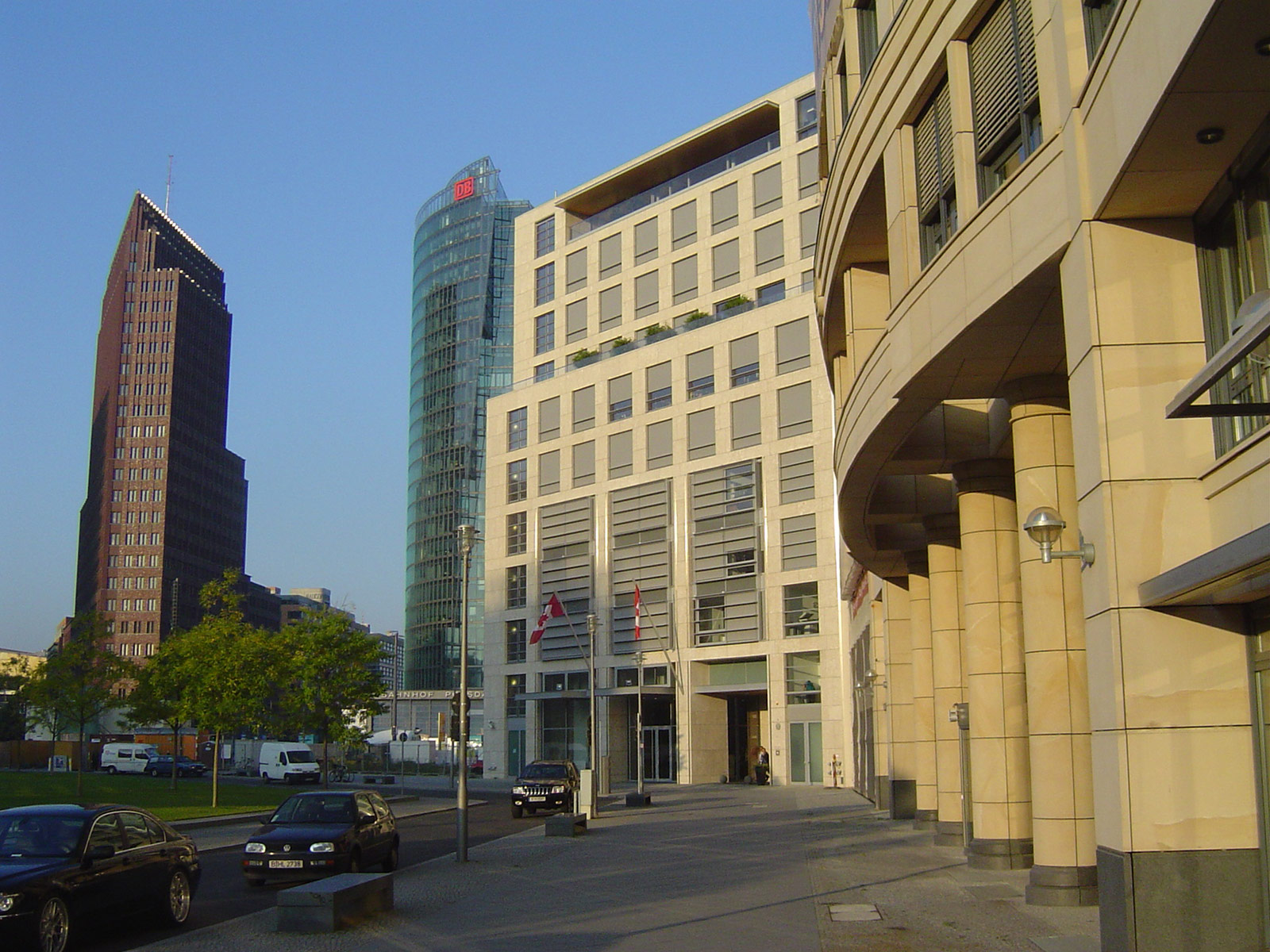
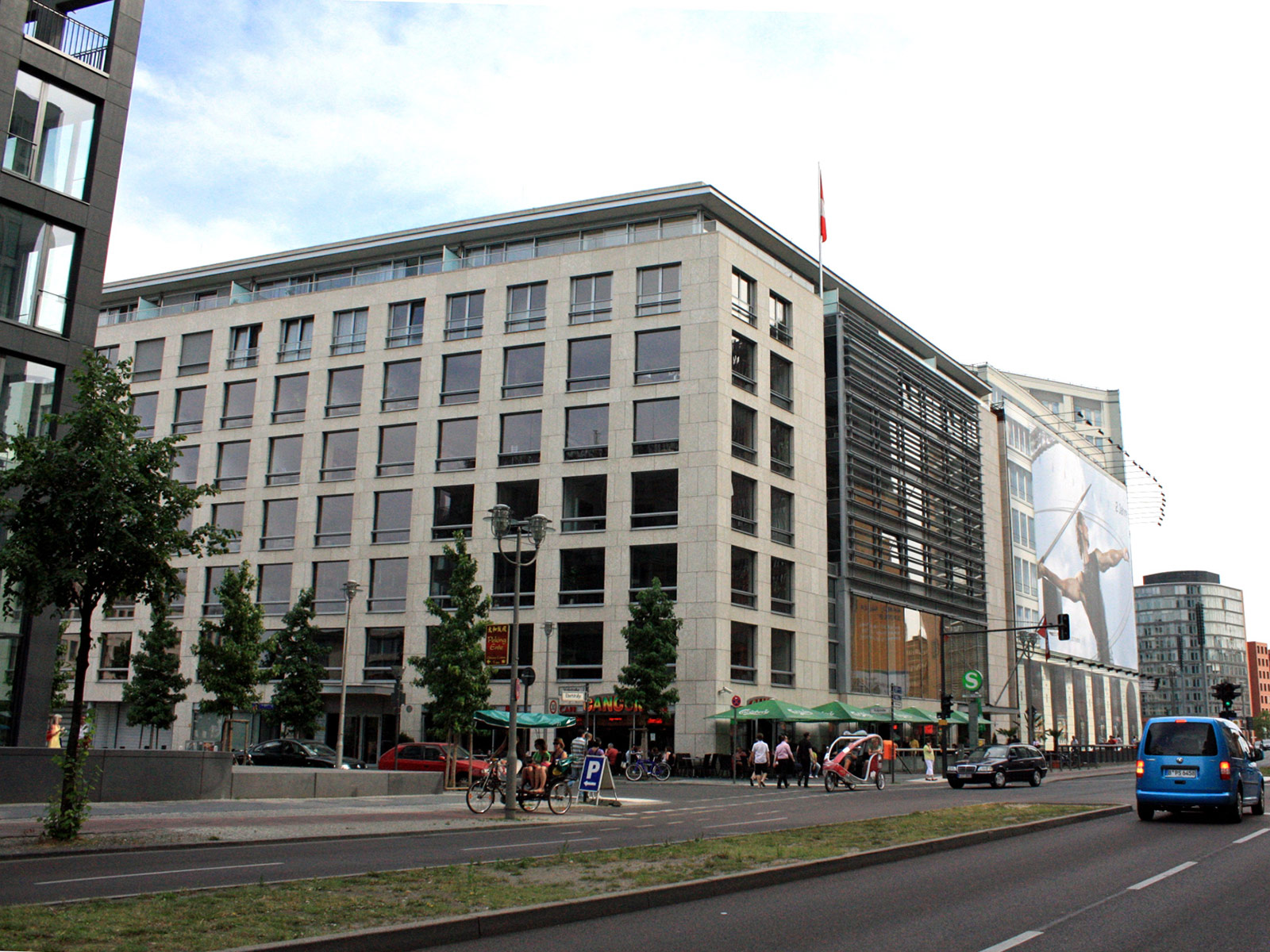
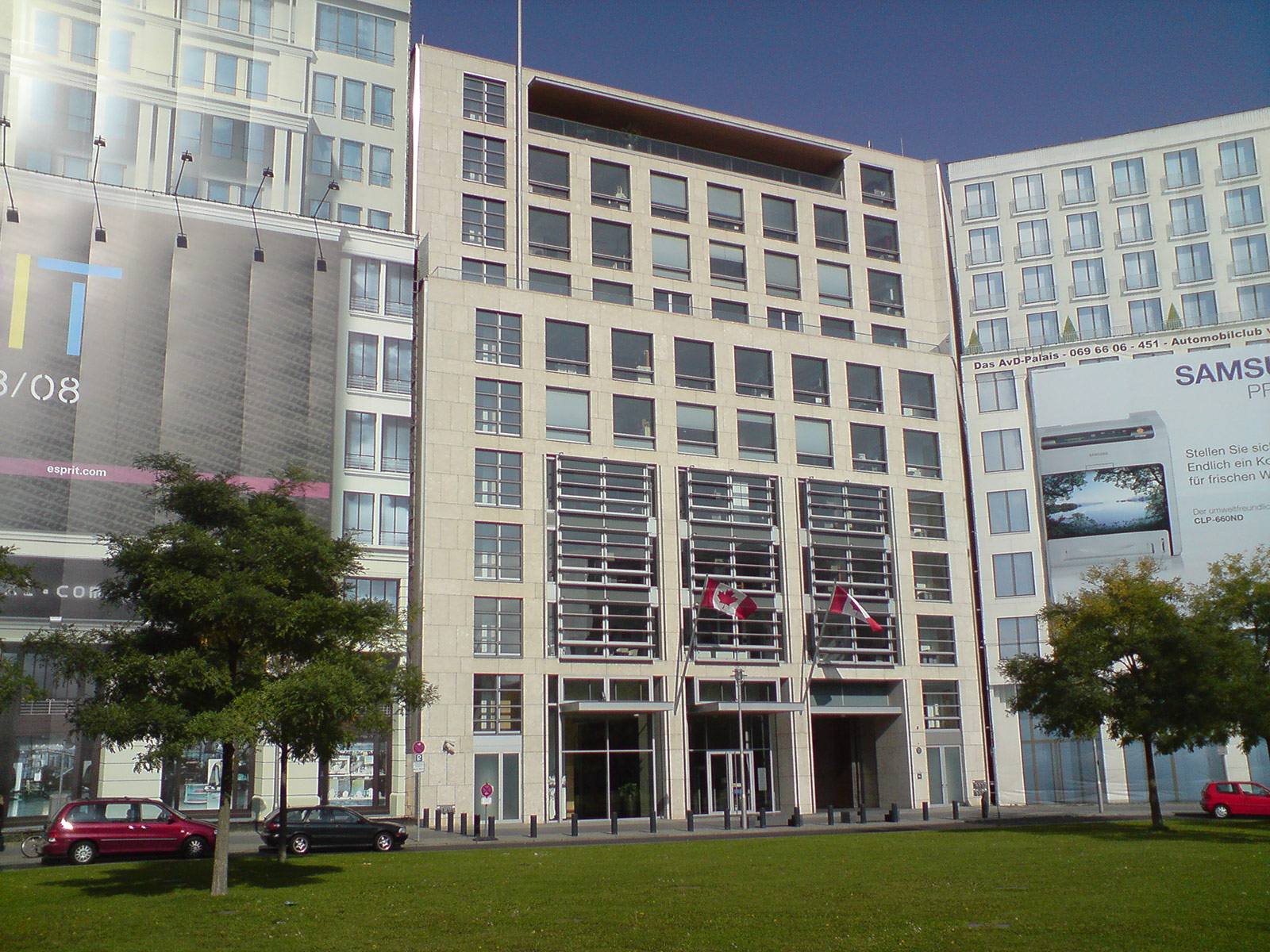
Embassy of Canada, Berlin
Alpine Bau Deutschland GmbH
Owner / Developer
Department of Foreign Affairs and International Trade Canada
Architect
- Kuwabara Payne McKenna Blumberg (KPMB), Toronto
- Gagnon LeTellier Cyr, Québec
- Smith Carter Architects
Building Function
Office
Status
Completed 04/2005
approx. 8.500 m²
Height
approx. 35 m
Technical Features
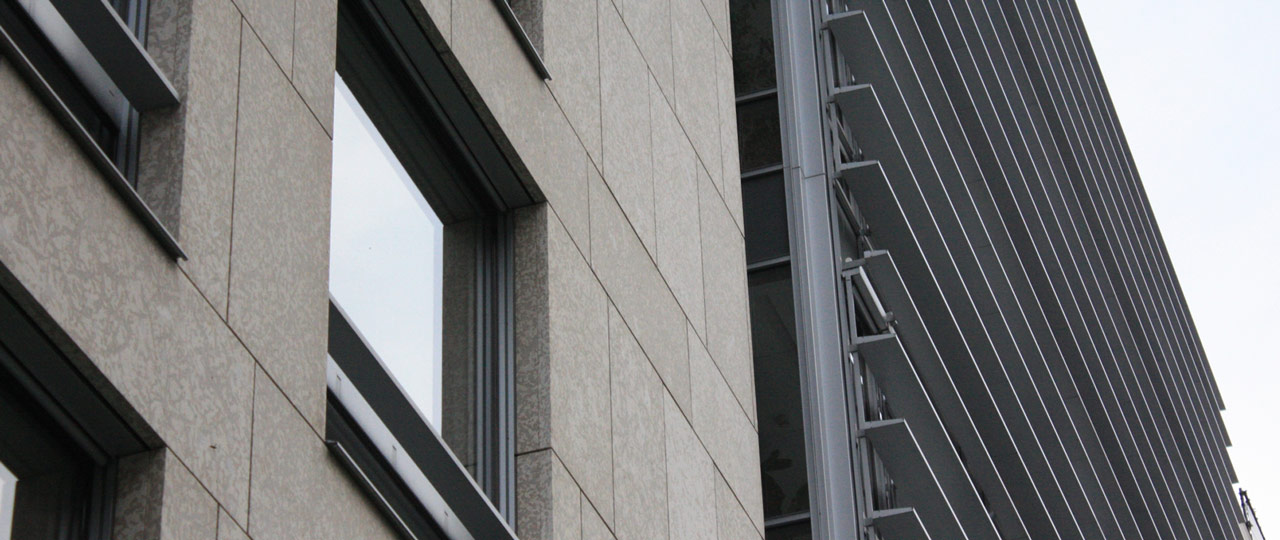
- Rain screen
- Steel sick system facades
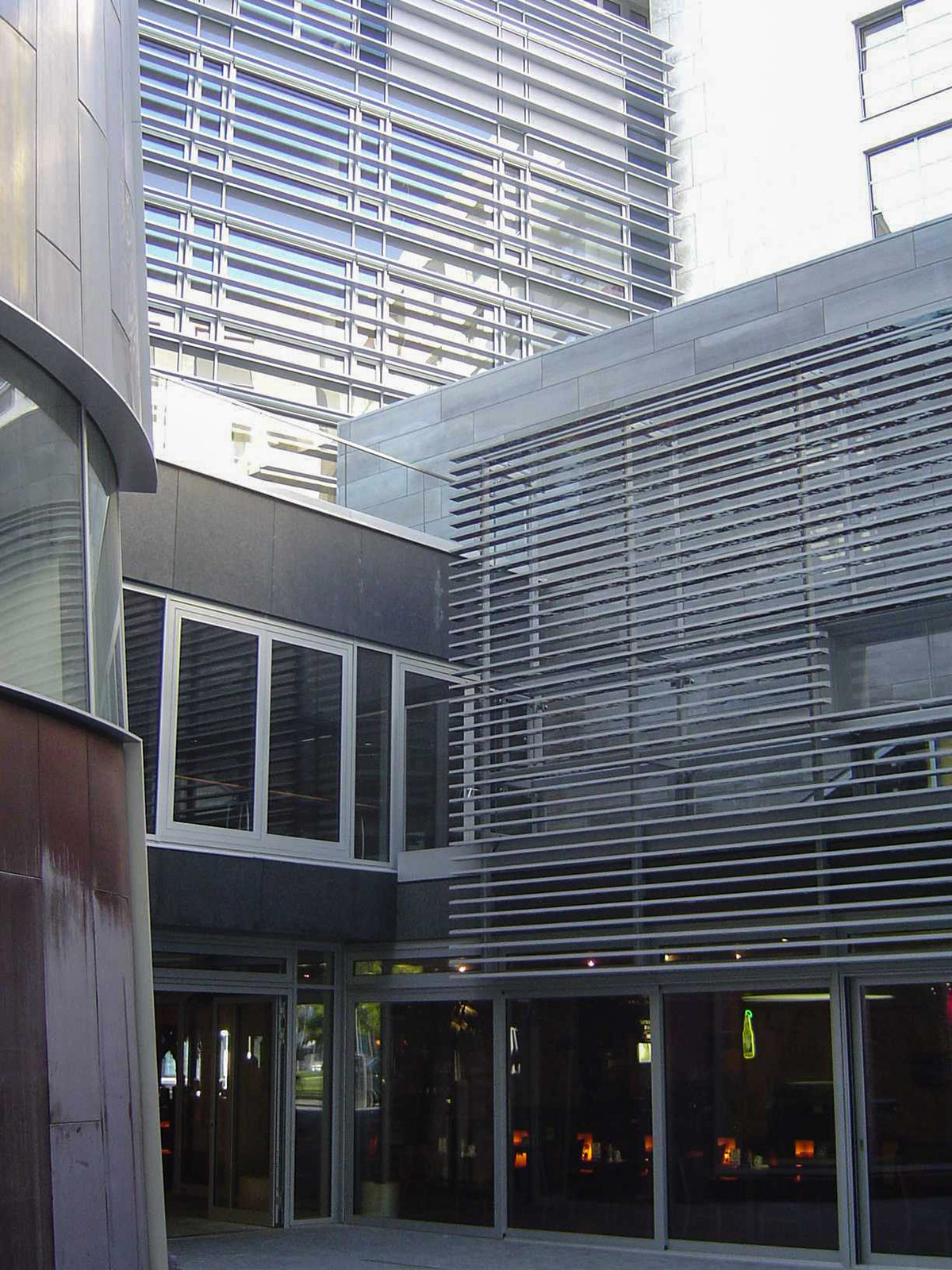
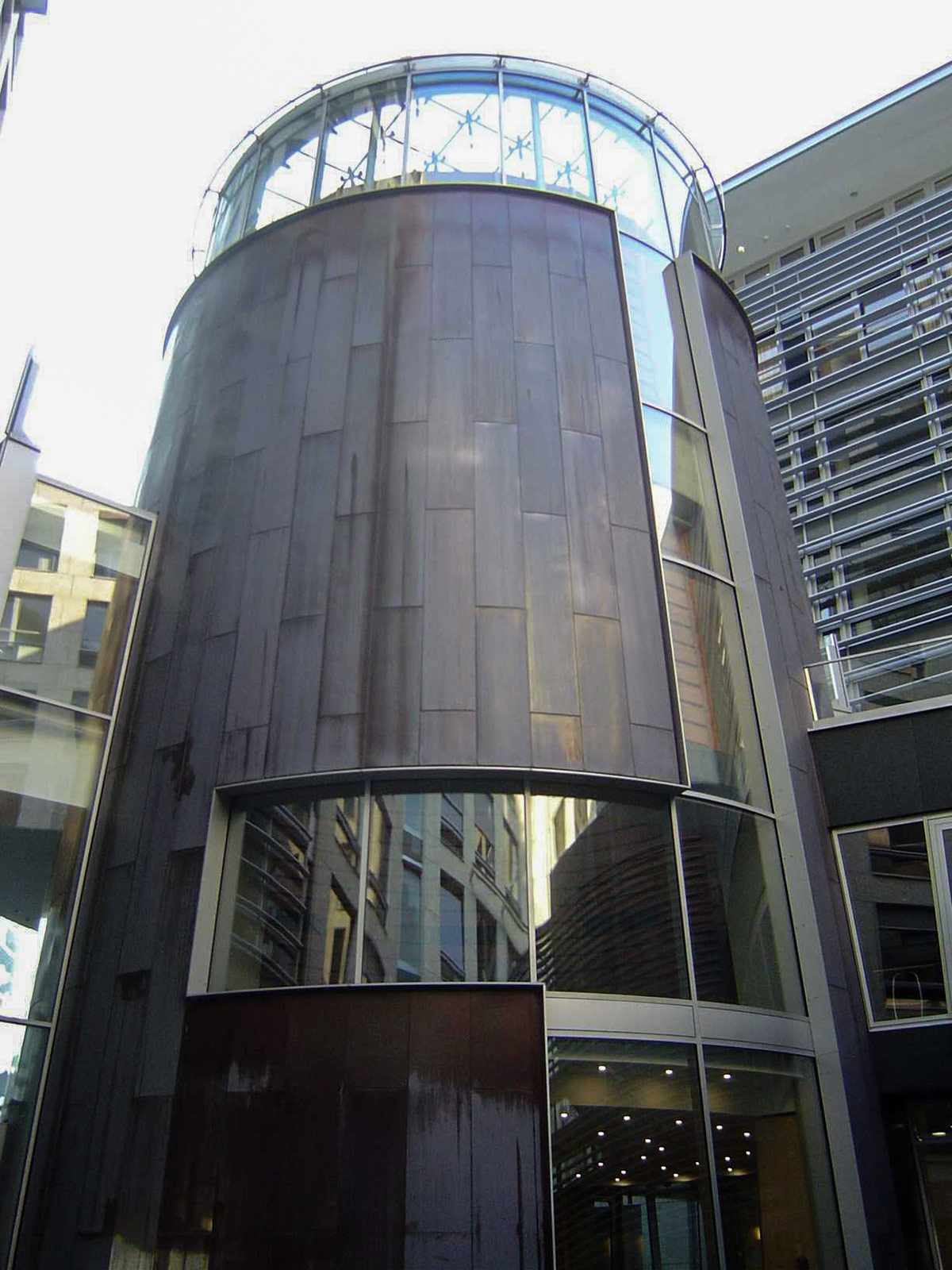
- Structural glazing facade
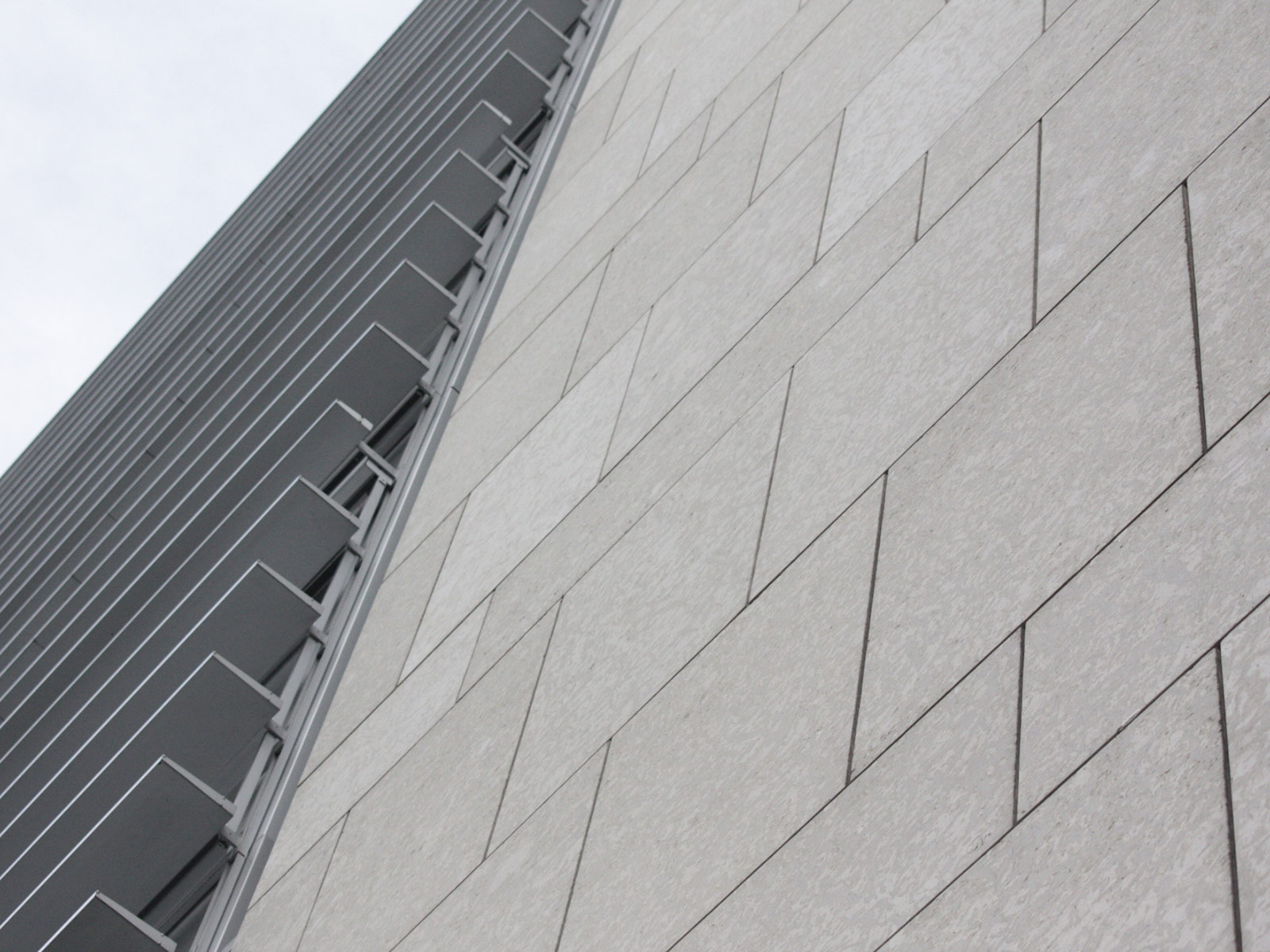
- Natural stone facade
- Polygonal heated facade
- Punch windows
- External sunshade, rigid louvres
We provided
Consultancy
At Priedemann any project starts with the determination of the planning basis, with the facts, requirements and possibilities – no matter when we start and always together with everyone involved in the project
- What is the design concept?
- Which local standards apply?
- Urban planning requirements?
- Energy requirements?
- Weighing up the priorities in the “magic triangle” of quality, costs and duration
- Definition of an objective as a benchmark for all subsequent planning phases
- Development of the evaluation criteria as expert assessors in architectural competitions
Priedemann develops the facade concept for planning ready for approval – taking into account all planning principles and requirements determined up to that point, e.g. the climate plan, building technology and building statics.
- Detailed hand-drawn sketches
- CAD-based layout plans and CAD-guided details
- 3-dimensional analysis of the shell of the building for complex facades
- Selection of the materials and type of facade
- Drafting of the facade plan on the basis of the building physics and acoustic specifications
- Integration of fire safety and smoke extraction plans
- Security requirements are taken into consideration
- Collaboration on the overall design so that it can be approved
- Joint design, joint width and depth in accordance with the building movements identified and relevant tolerances
- Documentation in report form
- Ongoing updating and further development of the design, cost estimate and construction scheduling
- Support in the planning and implementation of 1:1 facade samples to ensure that the design is progressing as intended, e.g. in design-and-build processes
Priedemann sees the implementation planning as a precise simulation of the construction process and the building – in detail, digitally and, depending on the complexity, as a 3-dimensional model.
- Guide-detail planning as CAD drawing on a scale of 1:1 with all connections to adjacent components
- Detailed representation of the layers, components and individual components of the facade solution supplemented by material descriptions and dimensioning
- Planning on the basis of static pre-dimensioning for the relevant facade components – glass, profiles, fixings
- Advanced planning for the building physics and acoustics
- The specified security and fire safety requirements are taken into consideration
- Planning and integration of control and operating components
- Updating costs and the construction schedule
- Agreed plan for the materials
- Glass specifications
For tendering and awarding contracts Priedemann defines and specifies the planned facades and details as well as the connections to adjacent components.
- Summary of technical requirements as well as client and user specifications for construction and materials as “Technical Preliminary Remarks”.
- Compilation of the design and additional technical criteria in coordination with the planning team
- Drafting of the service description
- Individual quantities and components are recorded
- Differentiation of the various trades when awarding contracts to different contractors, clear definition of the interfaces
- Collation of all documents in a single set of documentation
The first phase after the award of the contract is of particular importance. Often some time has passed since planning and a number of changes may have occurred, the planning team has changed, user requests have been added or additional requirements are putting pressure on the budget. Priedemann checks and assesses whether all of the documents are up to date, complete, feasible and if any improvements can be made, coordinates change management and is the contact for all questions of the planning team concerning the facade.
Before the work is planned- Checking that the documents provided are complete
- Comparison with possible project changes and updates
- Determining the status quo for the start of construction
- Checking the system components to be implemented
- Clarification of unresolved questions, communication with the planning team
- Priedemann checks and comments on the contractor’s structural assumptions as well as the performance in terms of energy and acoustics
- Checking and evaluating the contractor’s work schedule
- Checking relevant facade elements and how they interface with other trades
- Evaluation of the contractor’s planning and system design
- Checking of technical specifications for materials such as glass, stone etc. as well as data sheets for sealing and insulating materials, surfaces, system descriptions etc.
- Checking and assessing the facade supply chain for compliance with the applicable guidelines as well as technical and quality standards
- Comparison of test data with specified or actual performance data
- Updating change management
- Investigation of options for production, materials and technology, if necessary making improvements whilst retaining the agreed qualities, costs and dates for implementation
- Evaluation of facade materials that the facade manufacturer provides as an IFC (issued for construction) alternative
- Statement on the suitability, quality and equivalence of alternative material proposals in relation to the materials in the original plans
- Assessment and evaluation of the behavior of the products when processed
The supervision of assembly and installation is particularly important for us, to ensure the agreed quality. Our principle is that deviations from the agreed planning must be identified at an early stage, documented and the implementation corrected. This controlling refers both to production and manufacturing as well as to the assembly on the building site:
Regular inspection of production and assembly in the factory- Verification of compliance with the approved design, ensuring compliance with the agreed qualities, standards and test series
- Regular reporting on production progress; the reports contain recommendations for possible improvements as well as a list of unfulfilled services, performance arrears, defects identified
- Verification of compliance with the approved design, ensuring compliance with the agreed qualities, standards and test series
- Inspection of examples of facade sections as reference values for determining the quality of workmanship – benchmark inspections
- Involvement in performance tests on the facade on the building site (water impermeability, sound insulation, blower door test, etc.)
- Random inspection of the installation work on the building site
- Regular reporting on the installation work including the identification of discrepancies with the original planning
Memberships


