Thaihot City Plaza, Fuzhou
Fujian Sino Line Real
Development Co. Ltd
Owner / Developer
Fujian Sino Line Real
Development Co. Ltd
Architect
SPARK Architect, Beijing
Building Function
Shopping Mall
Status
Completed 05/2014
approx. 19.000 m²
Height
approx. 44 m
Technical Features
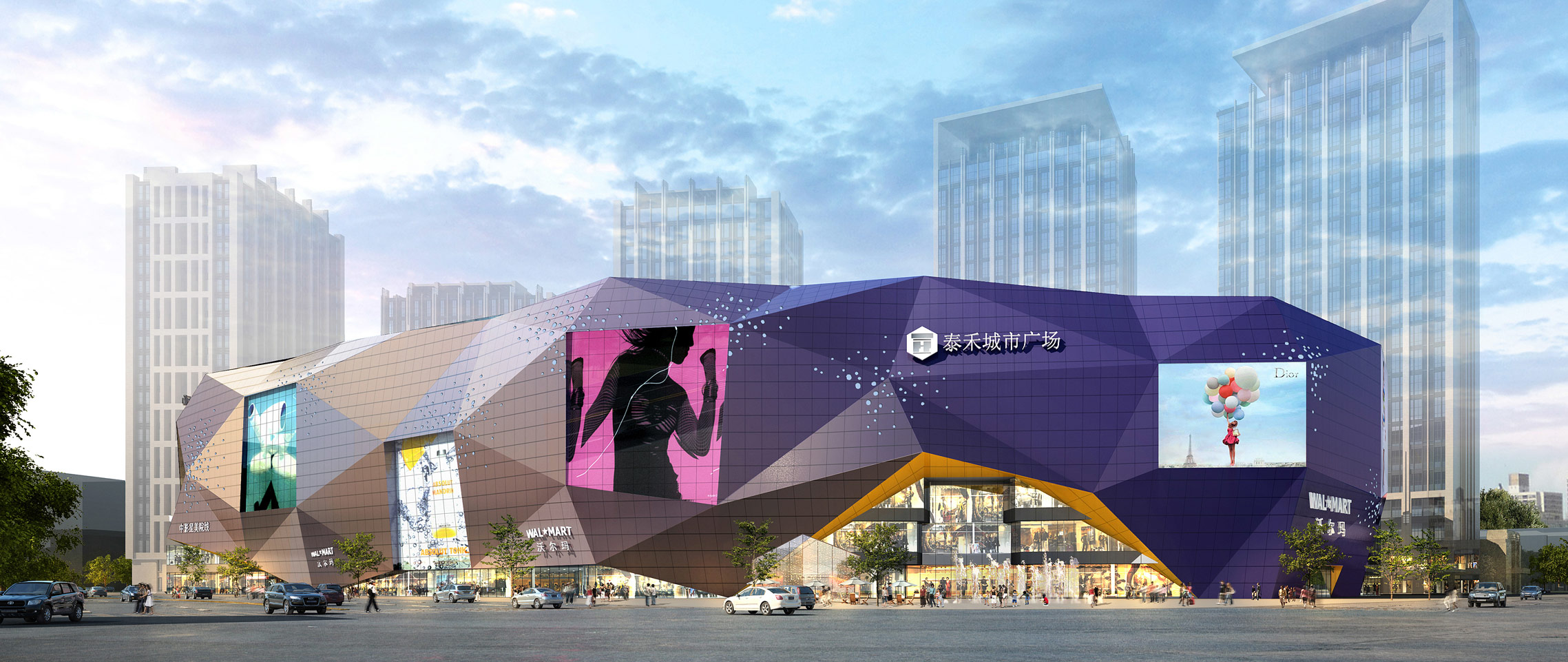
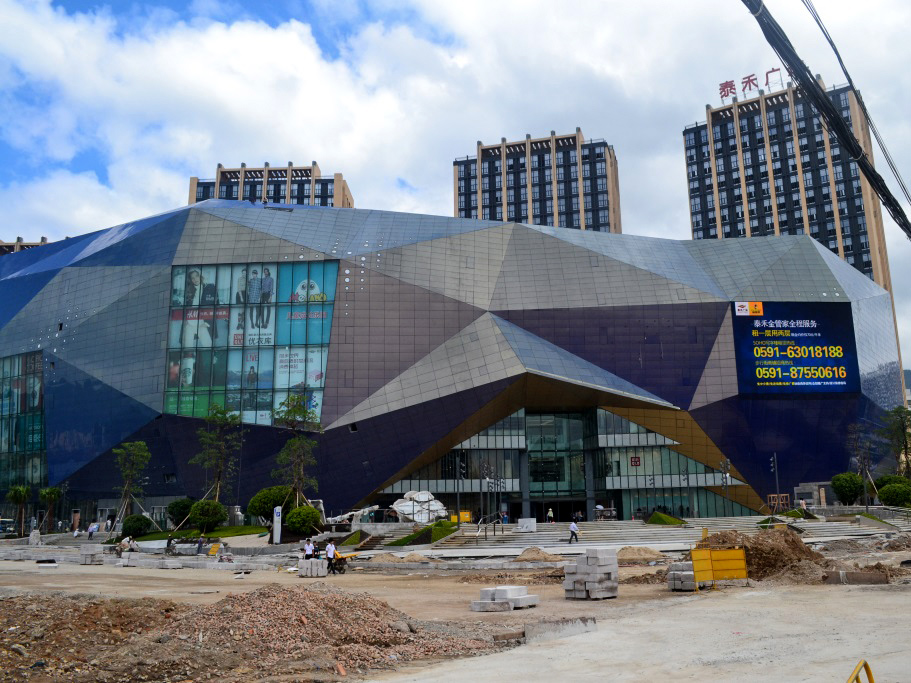
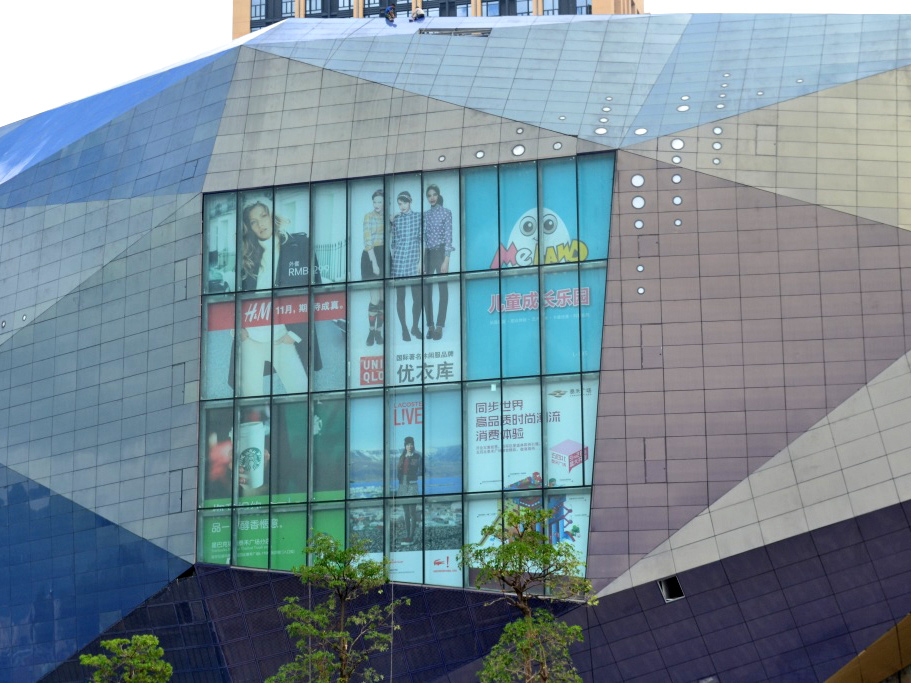
- Diamond shaped facade
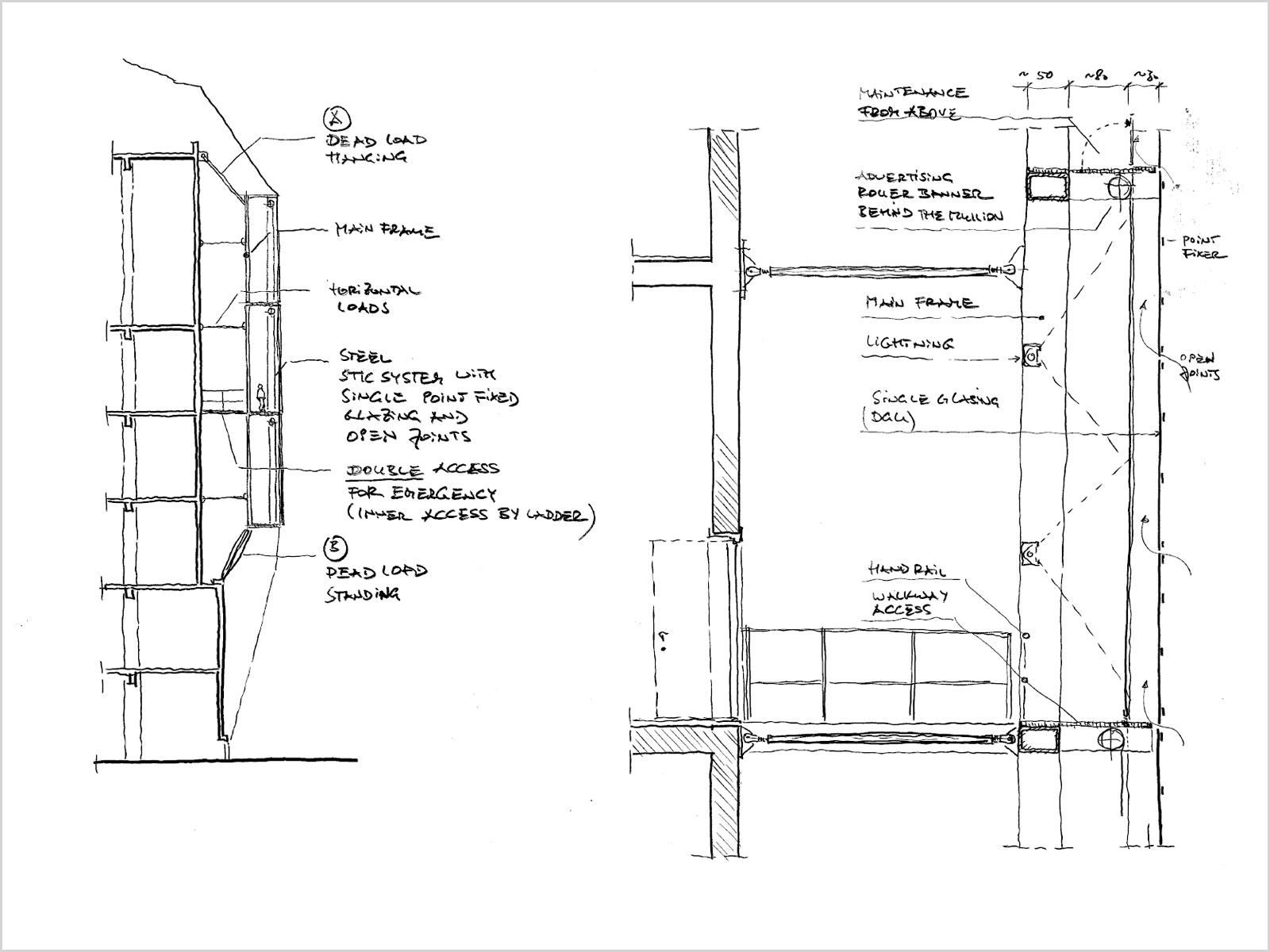
- Rain screen
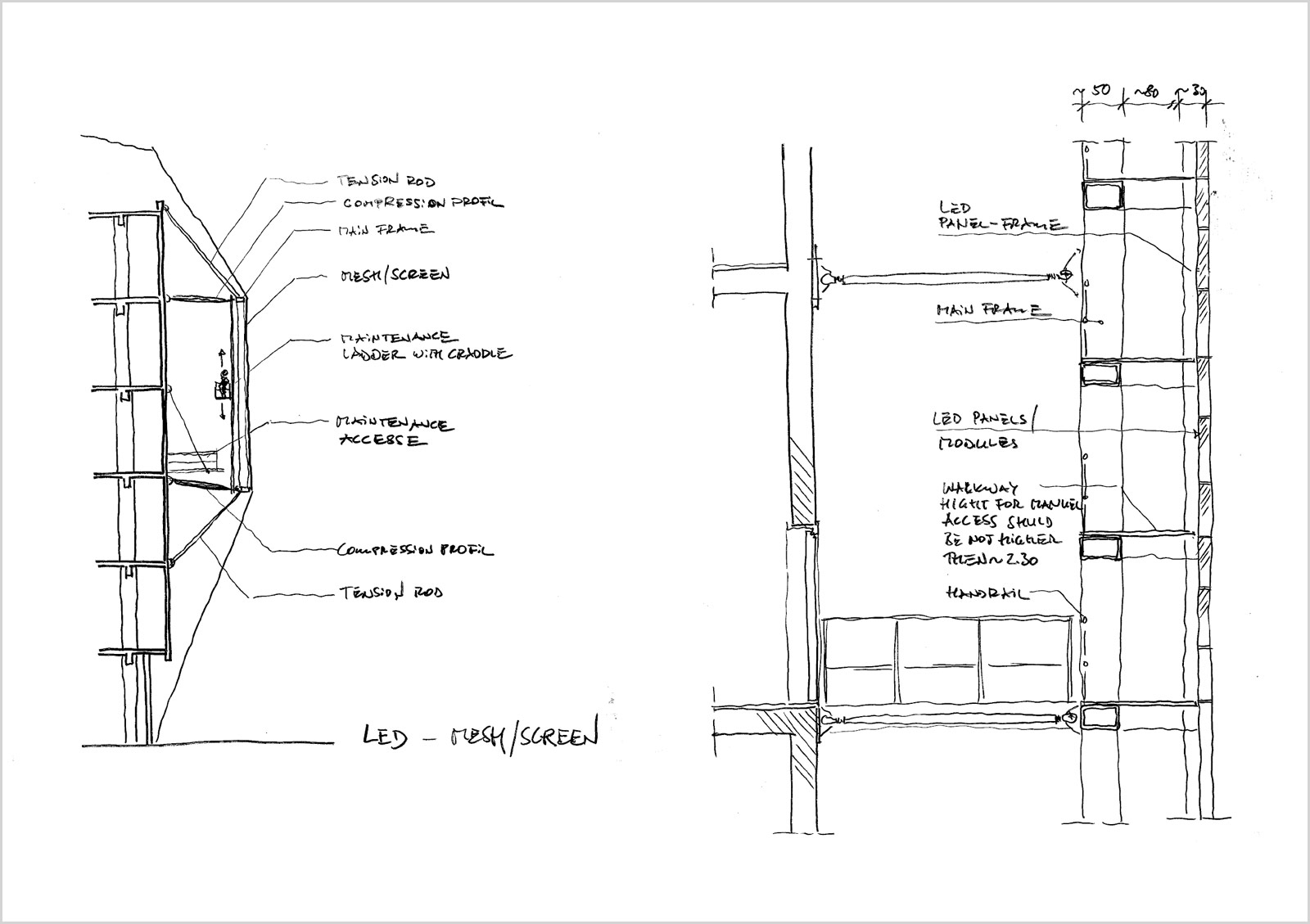
- Media facade
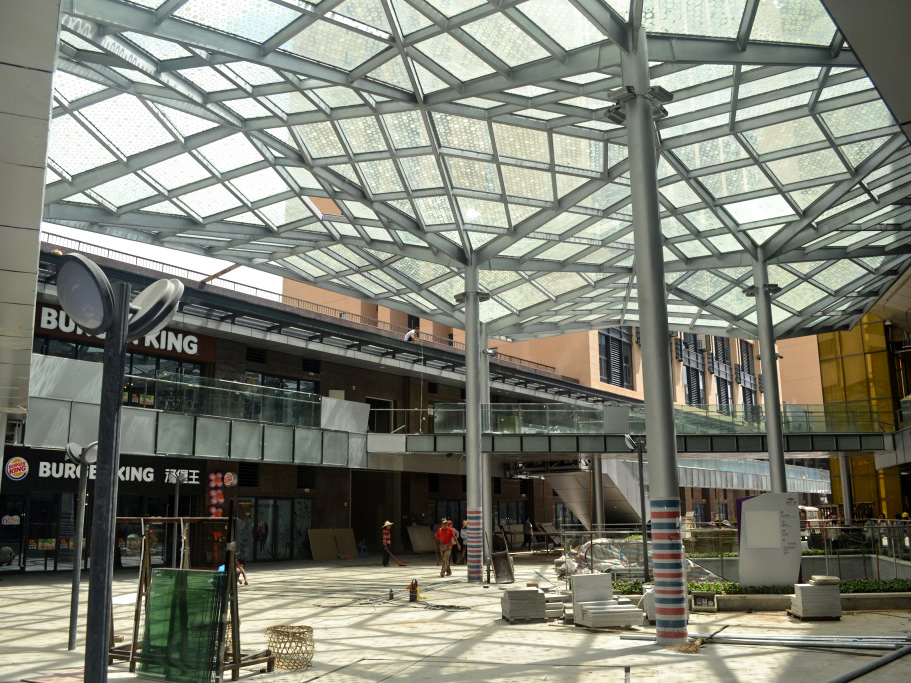
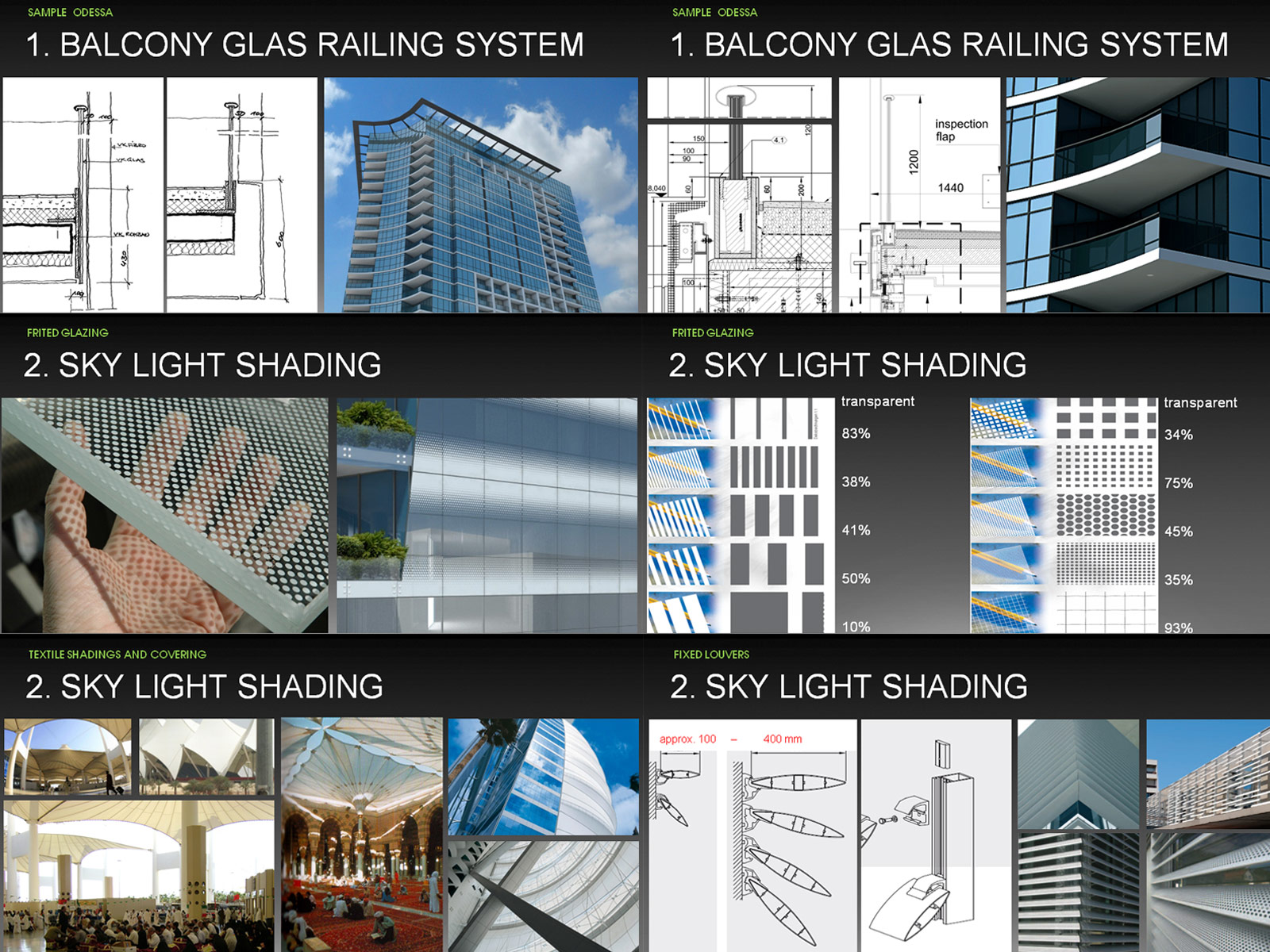
- Glass balustrades
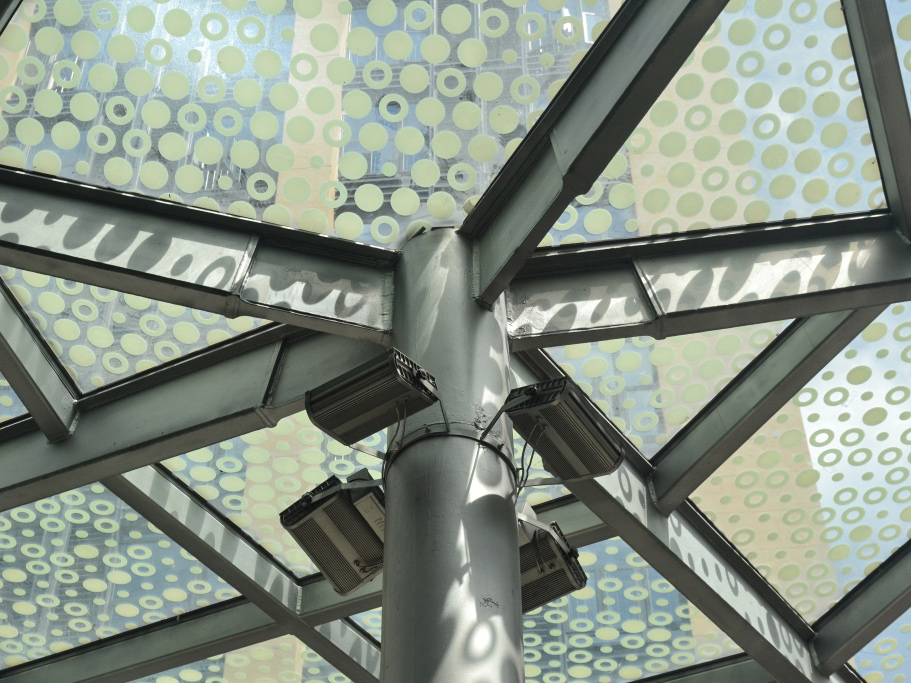
- Free standing canopy
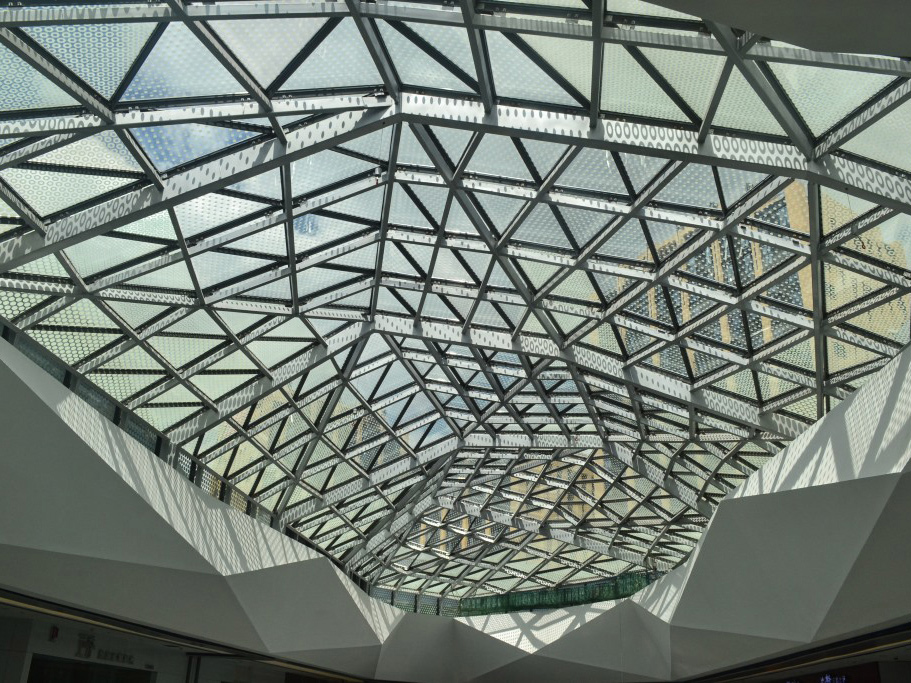
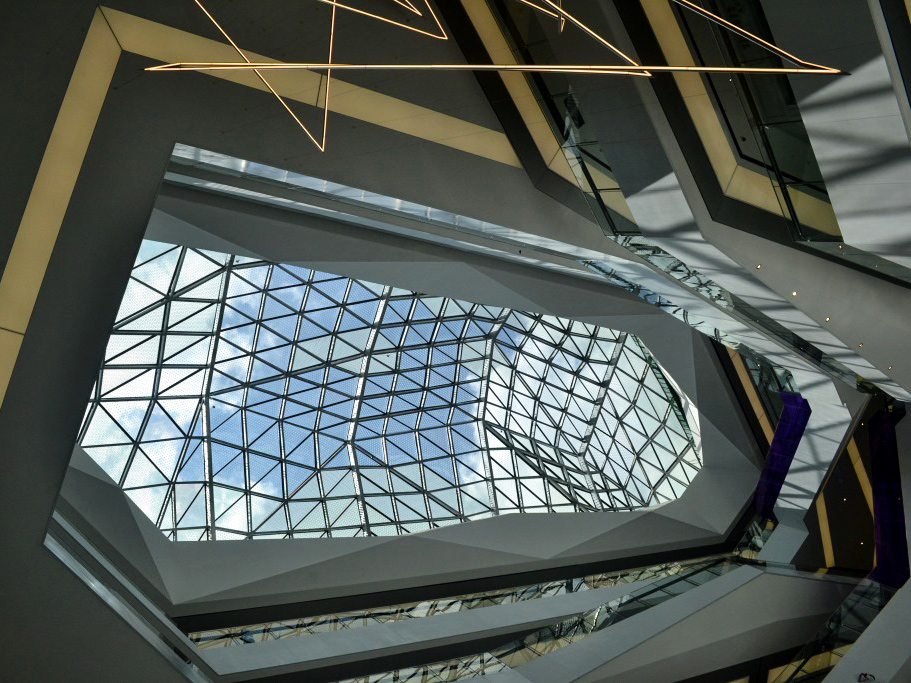
- Atrium skylight
- Roof and wall louvres, aluminium
We provided
Consultancy
At Priedemann any project starts with the determination of the planning basis, with the facts, requirements and possibilities – no matter when we start and always together with everyone involved in the project
- What is the design concept?
- Which local standards apply?
- Urban planning requirements?
- Energy requirements?
- Weighing up the priorities in the “magic triangle” of quality, costs and duration
- Definition of an objective as a benchmark for all subsequent planning phases
- Development of the evaluation criteria as expert assessors in architectural competitions
We design different variants based on the strategic objectives, we identify their advantages and disadvantages and keep on developing the preferred solution.
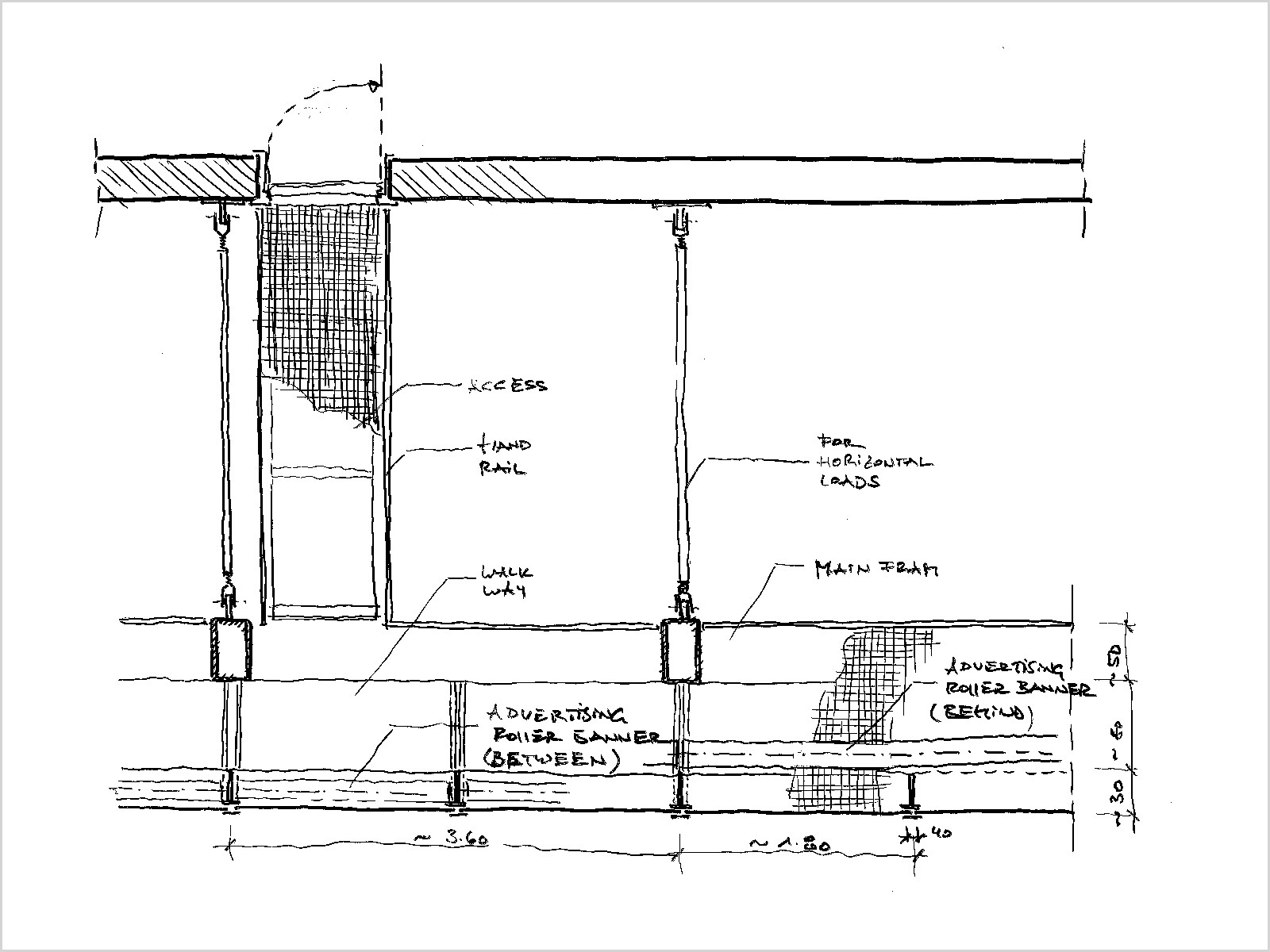
- Sketches of concepts drawn by hand
- Taking into account different options for materials and the construction
- Inclusion of structural and thermal loads
- Dependencies in the building structure are taken into consideration
- The physics of the building and acoustic requirements are taken into consideration
- Fire protection and smoke extraction are taken into consideration,
- Cleaning and maintenance plan, access at heights
- Outlining solutions, costs and timings
- Inclusion of existing solutions to clarify the design
- Support during the initial sampling
- Documentation in report form
- Ongoing updating or further development of the design
Priedemann develops the facade concept for planning ready for approval – taking into account all planning principles and requirements determined up to that point, e.g. the climate plan, building technology and building statics.
- Detailed hand-drawn sketches
- CAD-based layout plans and CAD-guided details
- 3-dimensional analysis of the shell of the building for complex facades
- Selection of the materials and type of facade
- Drafting of the facade plan on the basis of the building physics and acoustic specifications
- Integration of fire safety and smoke extraction plans
- Security requirements are taken into consideration
- Collaboration on the overall design so that it can be approved
- Joint design, joint width and depth in accordance with the building movements identified and relevant tolerances
- Documentation in report form
- Ongoing updating and further development of the design, cost estimate and construction scheduling
- Support in the planning and implementation of 1:1 facade samples to ensure that the design is progressing as intended, e.g. in design-and-build processes
Priedemann sees the implementation planning as a precise simulation of the construction process and the building – in detail, digitally and, depending on the complexity, as a 3-dimensional model.
- Guide-detail planning as CAD drawing on a scale of 1:1 with all connections to adjacent components
- Detailed representation of the layers, components and individual components of the facade solution supplemented by material descriptions and dimensioning
- Planning on the basis of static pre-dimensioning for the relevant facade components – glass, profiles, fixings
- Advanced planning for the building physics and acoustics
- The specified security and fire safety requirements are taken into consideration
- Planning and integration of control and operating components
- Updating costs and the construction schedule
- Agreed plan for the materials
- Glass specifications
For tendering and awarding contracts Priedemann defines and specifies the planned facades and details as well as the connections to adjacent components.
- Summary of technical requirements as well as client and user specifications for construction and materials as “Technical Preliminary Remarks”.
- Compilation of the design and additional technical criteria in coordination with the planning team
- Drafting of the service description
- Individual quantities and components are recorded
- Differentiation of the various trades when awarding contracts to different contractors, clear definition of the interfaces
- Collation of all documents in a single set of documentation
Specials
The facade is the “face” of a building,a surface and a medium, which the building uses to communicate with its surroundings. The arrangement of open and closed surfaces, the materials used – all this reveals something about the interior life of a building and how it relates to its surroundings.
However, the metaphor of the “medium” can also be translated directly onto the facade by turning it into a “media facade”. Depending on the sharpness of detail and type of message, as well as the viewing distance, the facade surfaces differ in the size and number of pixels required. One of these pixels may be the size of a light-emitting diode or take up an entire facade or window element, depending on whether graphic animations, lifelike images, video sequences or texts are to be shown.
Priedemann plans all types of media facades and integrates them into the overall design. It is our aim that the media facade is part of the whole, including operation and maintenance, and is not reduced to the level of an appendage or a technical gimmick. For example, we develop concepts in which the energy needed to operate is generated by the facade itself. We take care of the necessary planning and performance data and create a feasible facade design. In the Facade-Lab area we develop transparent media facades together with industrial partners from the glass industry.
Memberships


© 2025 Priedemann